After Sydney, in an era of rising antisemitic violence, representation isn't just symbolic.

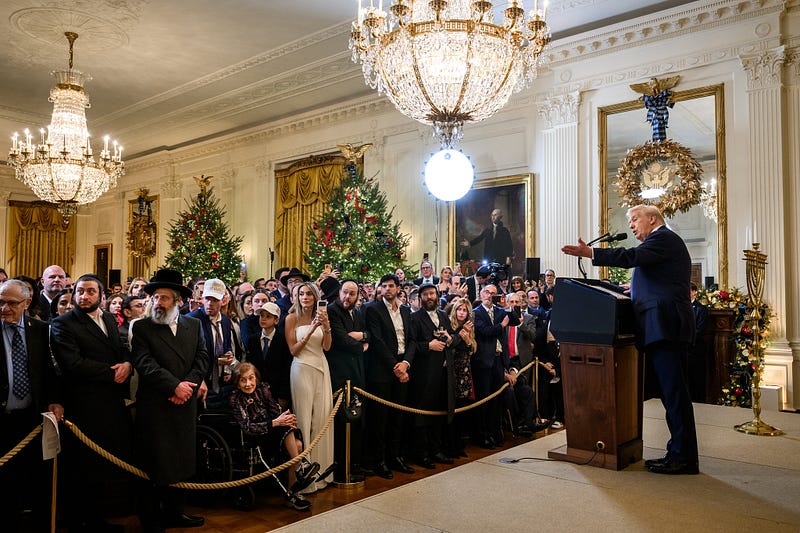
Hanukkah at the White House this year wasn’t just another annual event.
It came at a moment when many Jewish communities around the world are confronting real danger and rising hatred.
On December 14, during a Hanukkah celebration at Bondi Beach in Sydney, two gunmen opened fire on a crowd gathered for the holiday.
The mass shooting left at least 15 people dead and dozens injured, in what Australian authorities have called a terrorist attack motivated by antisemitism. The victims ranged in age from children to elders, including two Rabbis/
It was a terrible and devastating assault on a community at its festival of light.
The Sydney attack came amid a sharp increase in antisemitic incidents.
In Australia, reported antisemitic acts have surged several-fold in the past couple of years, including violence, vandalism, bomb threats, and harassment targeting Jewish individuals and institutions.
Sadly, the same is true in the U.S.

In that context, the Hanukkah celebration at the White House this year took on added significance.
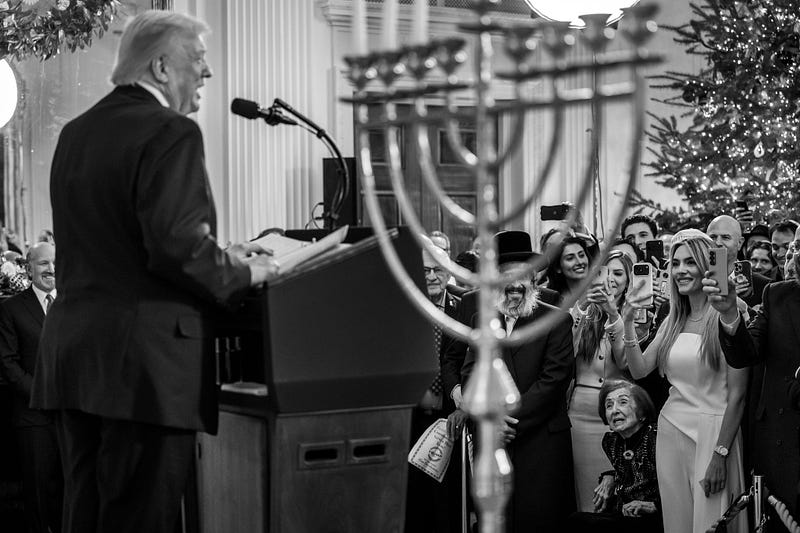
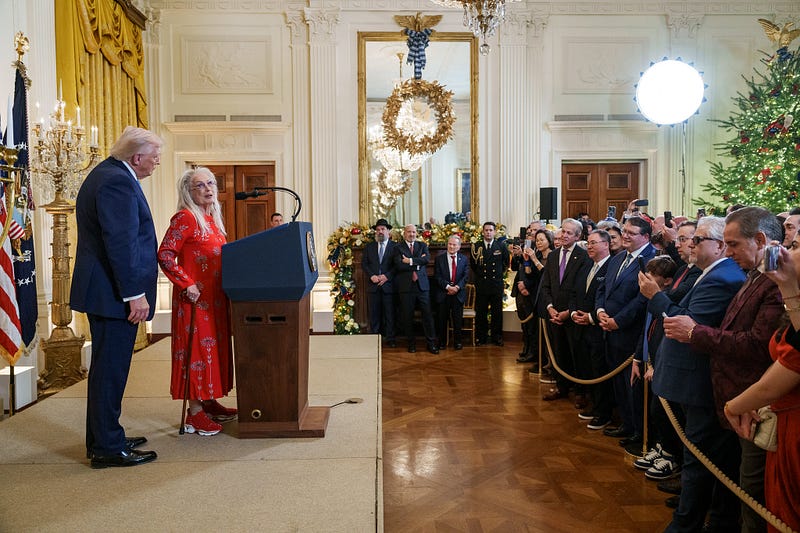
Hosted by President Donald Trump, it was a very public affirmation of Jewish life and tradition at a time when many Jews report worrying about their safety and future place in society.
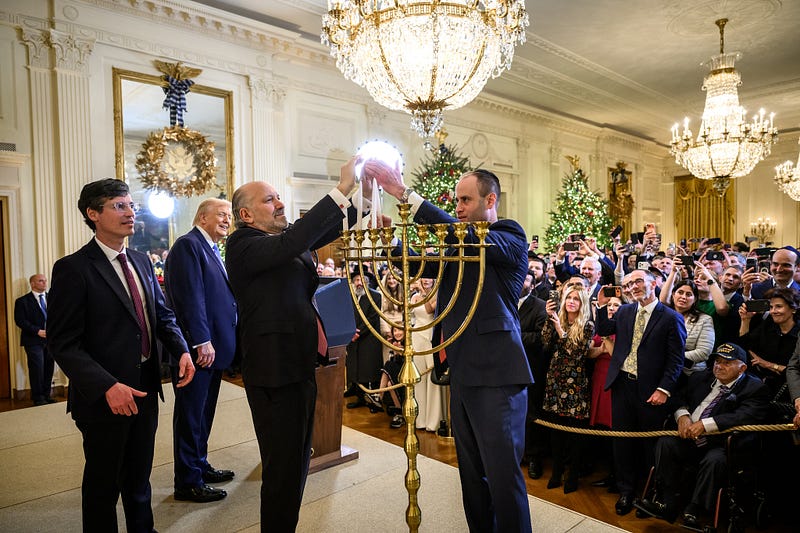
The menorah lighting in the East Room was not a quiet, background gesture. It was front-and-center, with music, community leaders, and families participating in a time-honored ritual of light. This visibility mattered.
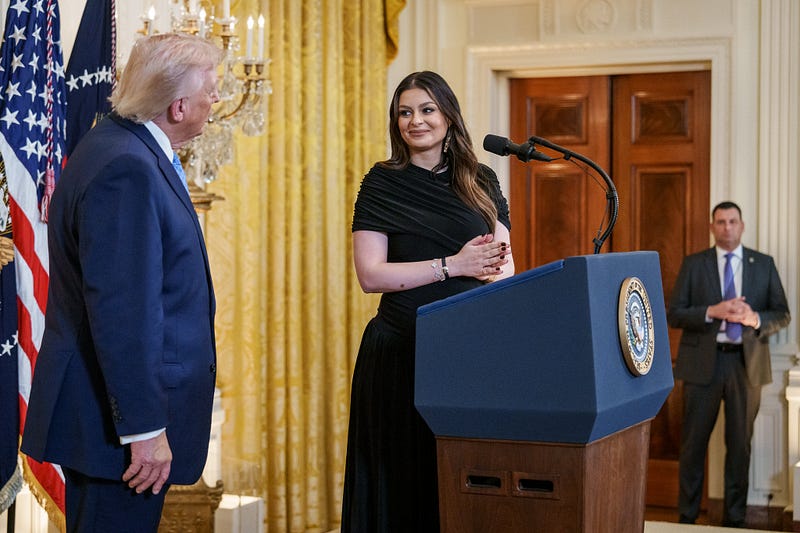
Representation at the highest level of government sends a message.
Jewish holidays, history, and identity are part of the national fabric — not peripheral or optional. At a moment when Jewish communities are dealing with violence and hostility, seeing the holiday acknowledged reassurance that religious freedom has staunch defenders in public life.
Hanukkah itself commemorates an ancient fight for religious self-determination. Lighting a menorah in the White House connects that ancient story to the modern promise of America: that people of every faith can celebrate openly without fear.
Public recognition shapes cultural norms. It affects how people think about inclusion and belonging.
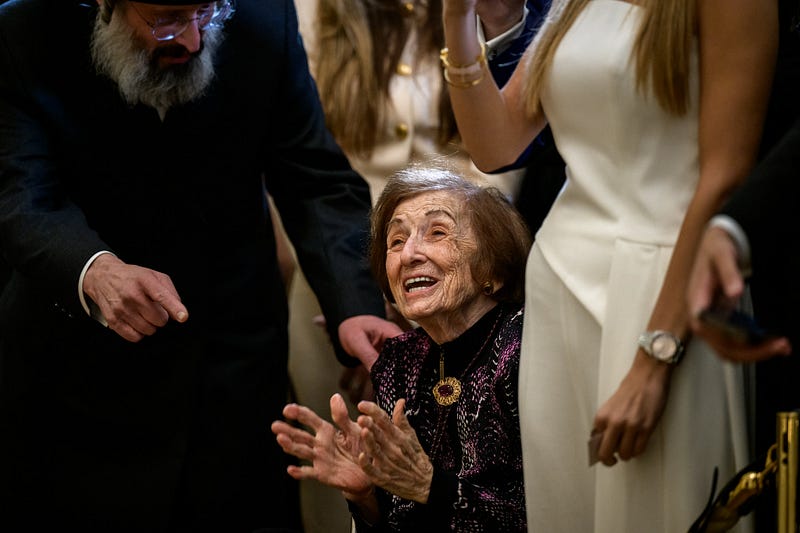
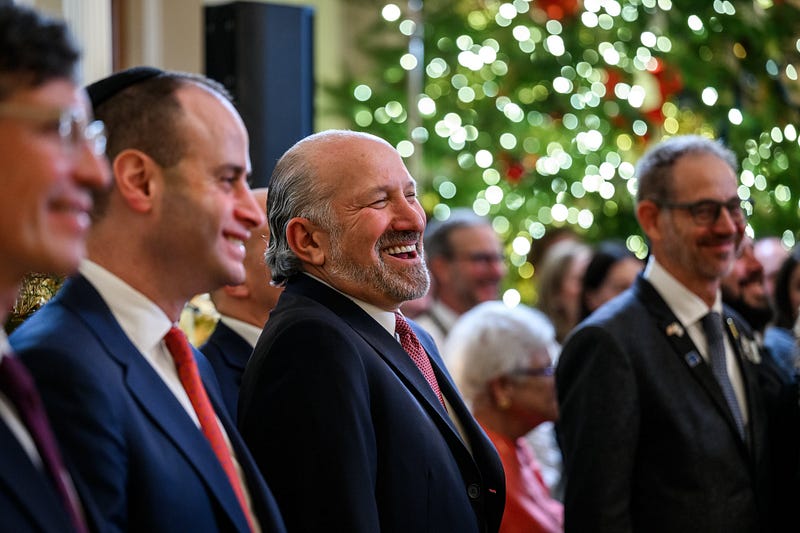
In a time marked by rising antisemitism globally and by antisemitic attacks on Jewish communities, events like this matter because they affirm light over darkness.
Which, after all, is what the holiday season is about for everyone — whatever their religion.
(Contributing writer, Brooke Bell)